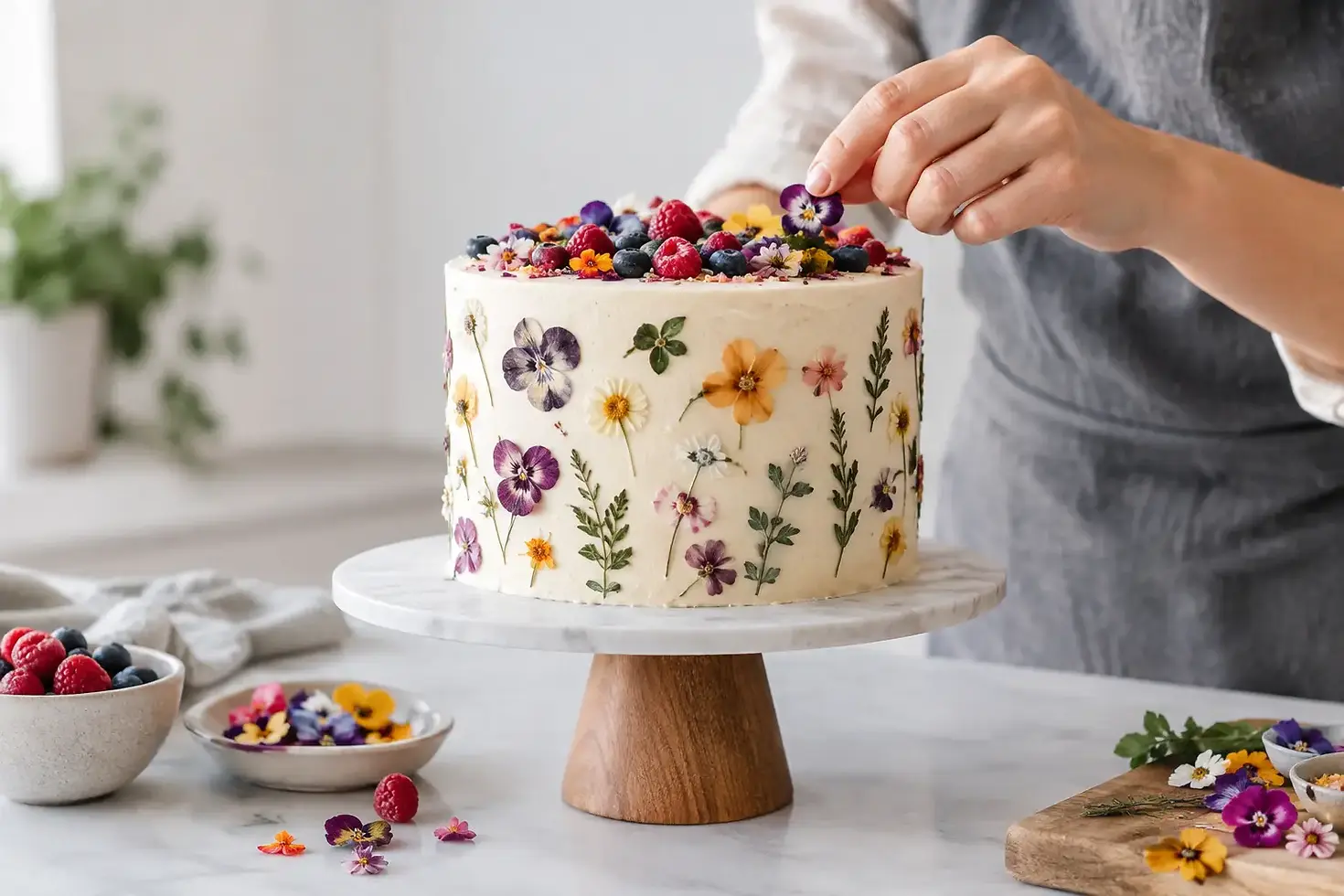
What Makes Cakes Artisanal? The Details Matter

A cake can be tall, colorful, and covered in elaborate details, yet still taste like an afterthought. What makes cakes artisanal is the care behind every layer: fresh ingredients, thoughtful flavor, skilled handwork, and a design created for one specific celebration. It is the difference guests notice when the first slice is served.
For birthdays, weddings, showers, and anniversaries, the cake often becomes the visual centerpiece of the room. But the best custom cakes do more than photograph beautifully. They bring people back for another forkful.
What makes cakes artisanal?
An artisanal cake is made with intention rather than produced from a standard formula at high volume. The baker or pastry chef makes decisions throughout the process, from balancing the sweetness of a filling to shaping a sugar flower or matching a cake's color palette to an invitation.
That does not mean every artisanal cake has to look rustic or simple. It can be sleek, modern, dramatic, playful, or covered in detailed sculpted work. The defining quality is the hands-on approach. Each component is chosen and made to create a finished cake with its own personality.
At Michael Anthony Cakes, that approach is shaped by 30 years of professional kitchen experience. The goal is never decoration alone. Every custom detail should support a cake that feels special to the guest of honor and tastes worthy of the occasion.
Fresh ingredients create a better first bite
Quality begins long before the cake is iced. Fresh butter, eggs, fruit, dairy, chocolate, citrus, spices, and extracts all influence texture and flavor. When ingredients are selected with care, a vanilla cake tastes warm and fragrant rather than flat. A lemon filling tastes bright rather than simply sweet. Chocolate has depth instead of reading as sugar.
Fresh ingredients also require good timing. Fruit fillings, whipped elements, buttercreams, and layered cakes all have different needs. An artisanal baker plans production around the event date so the cake is at its best when it reaches the table.
There is a practical trade-off here. A handcrafted cake made with fresh components may require more advance notice than a cake pulled from a retail case. That time protects quality. It allows the flavors to develop, the structure to set properly, and the finishing work to be done without rushing.
Distinctive flavor is part of the artistry
A beautiful cake earns attention. A memorable flavor earns compliments long after the party ends.
Artisanal cakes move beyond the usual choice of vanilla or chocolate without making flavor feel unfamiliar for the sake of it. The best combinations are approachable, balanced, and built with a point of view. A Limoncello cake can bring a crisp citrus lift to a summer gathering. Cinnamon Churro may suit a lively birthday with warm spice and nostalgic sweetness. Biscotti+Latte offers a more grown-up direction for coffee lovers, while Mom's Apple Pie can make a family celebration feel especially personal.
The flavor should fit the event and the people being celebrated. A wedding cake may call for layers that feel elegant and crowd-pleasing. A milestone birthday can be the perfect time for something bolder, such as Screaming Chocolate or Dubai Chocolate. For a shower or spring event, Strawberry Lemonade or Valencia Orange may feel fresh and festive.
Balance matters more than novelty
Chef-driven flavor is not about piling on ingredients. It is about knowing when tartness should cut through a rich buttercream, when a cake needs a soft filling for contrast, and when a familiar flavor should stay beautifully simple.
That knowledge matters with every slice. A flavor that sounds exciting on paper can become heavy if the cake, filling, and frosting all compete for attention. Artisanal baking brings those elements into balance so guests can enjoy a full serving, not just admire the first bite.
Custom design is personal, not copied
A custom cake should reflect the occasion without becoming a duplicate of a photo someone saved online. Inspiration is useful, but the final creation should consider the event colors, the guest of honor's personality, serving size, venue, and the type of celebration.
For one client, that might mean a refined tiered wedding cake with textured buttercream and delicate florals. For another, it could mean a bold birthday cake with sculpted elements, metallic accents, or a playful theme. Both can be artisanal when the design is thoughtfully interpreted and finished by hand.
Handcrafted work also has a natural quality that mass production cannot fully reproduce. A hand-painted detail, a modeled decoration, or a carefully placed floral arrangement carries small variations that make the cake feel alive. Precision still matters, especially for clean lines and polished finishes, but perfection should never mean personality has been removed.
The unseen work protects the final result
The most impressive cake design still needs sound pastry technique underneath. Layers must be level, fillings need to be stable, supports must be placed correctly, and the exterior finish must hold its shape through transport and display.
This is where professional experience makes a real difference. A cake for 20 guests has different structural needs than a multi-tier design for a large reception. Outdoor Orlando celebrations introduce another consideration: warmth and humidity. Some looks and finishes are better suited to a climate-controlled venue, while others can be planned to stand up more confidently during a warm event.
An experienced cake professional can guide these decisions without taking the fun out of the design. Sometimes a small adjustment to the finish, delivery timing, or display location is what keeps the cake looking as beautiful at cutting time as it did when it arrived.
Artisanal does not mean one style or one price
The word artisanal is sometimes used as a shortcut for expensive, but it is more useful to think of it as a reflection of process. Custom planning, fresh ingredients, original flavor development, detailed decorating, and careful construction all take time. A smaller cake with intricate handwork may require more labor than a larger cake with a simple finish.
The right investment depends on the role the cake plays in your event. If it is a key photo moment, a personal gift, or the dessert everyone will share, custom craftsmanship can add something meaningful. If the gathering is casual and design is less important, a simpler artisanal finish can still provide exceptional flavor without asking the cake to do everything.
Being clear about guest count, budget, theme, and must-have details helps shape a cake that feels special without unnecessary extras. The best custom experience is collaborative, not one-size-fits-all.
How to choose an artisanal cake for your celebration
Start with the feeling you want guests to have. Do you want an elegant wedding centerpiece, a joyful birthday surprise, a cake that honors a favorite childhood dessert, or a flavor that becomes part of the story? Bring visual inspiration, but also share the details that a photo cannot show: favorite flavors, event setting, season, and the personality behind the celebration.
Then give taste equal billing with appearance. Ask about cake and filling combinations, especially if you want something outside the standard bakery menu. A strong cake artist will help you find a design that is visually exciting and practical to serve, while making sure the flavor suits your guests.
The cake at your celebration should never feel like a final box to check. Choose one made with a clear point of view, a steady hand, and enough care that the last slice tastes as memorable as the first.


Comments